The healthcare industry is transforming faster than ever. With rapid technological progress and data-driven care, professionals must upgrade their healthcare tech skills to stay relevant. In 2025, technology isn’t just a tool—it’s the foundation of patient care, operational efficiency, and medical innovation.
According to Accenture, healthcare is at a “watershed moment of AI-driven reinvention,” transitioning AI from a simple enabler to an autonomous partner in care delivery. This shift underscores the urgent need for professionals—from clinicians to administrators—to acquire new healthcare tech skills to remain relevant and effective.
Whether you’re a physician aiming to leverage new diagnostic tools, a student planning your career path, or an IT manager steering your organization’s digital strategy, understanding which skills are in demand is crucial. This article breaks down the top five healthcare tech skills you need to learn in 2025 to not only stay competitive but to actively shape the future of medicine.
Table of Contents
1. Artificial Intelligence (AI) and Machine Learning Proficiency
Why It Matters
AI is no longer futuristic—it’s a daily reality in hospitals. In 2024, tools like ambient listening for automated documentation became standard, freeing clinicians from paperwork. The American Medical Association predicts 2025 will bring an explosion of AI tools for diagnosis and decision support. Mastering AI has become one of the most vital healthcare tech skills for efficient, precise patient care.
Real-World Applications & Use Cases
AI’s impact spans the entire healthcare spectrum, from diagnosis to treatment and drug discovery. Its ability to analyze vast datasets and identify patterns that are invisible to the human eye is revolutionizing patient outcomes.
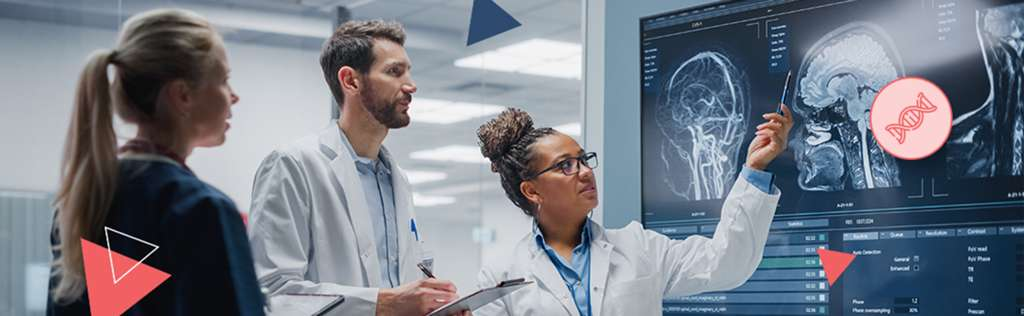
- Precision Diagnostics: AI algorithms are achieving remarkable accuracy in medical imaging. Studies have shown AI systems can match or even exceed human radiologists in detecting breast cancer from mammograms and dermatologists in identifying skin cancer.
- Personalized Treatment: Medtronic has developed implantable devices that use AI to sense pain signals traveling to the brain and automatically deliver therapy to block them. This technology can adjust to a patient’s needs up to 50 times per second, offering a new level of personalized pain management.
- Drug Discovery: AI is dramatically accelerating the process of bringing new drugs to market. By analyzing molecular structures and predicting their effects, AI makes drug discovery cheaper and more efficient. AI-discovered drugs are already showing higher success rates in early clinical trials.
Studies have shown AI systems can match or even exceed human radiologists in detecting breast cancer from mammograms
Who It’s For & Required Skills
- Clinicians: Need to understand how to interpret AI-generated recommendations, recognize potential biases in algorithms, and use AI-powered documentation tools.
- IT Managers & Data Scientists: Must be able to build and maintain the “cognitive digital brain” of the organization, which involves fine-tuning models, managing knowledge graphs, and ensuring enterprise-grade architecture. This is a core focus for digital transformation.
- Students: Should seek out courses in AI in healthcare, machine learning fundamentals, and medical ethics related to AI to prepare for emerging AI healthcare jobs.
2. Data Analytics and Data Literacy
Why It Matters
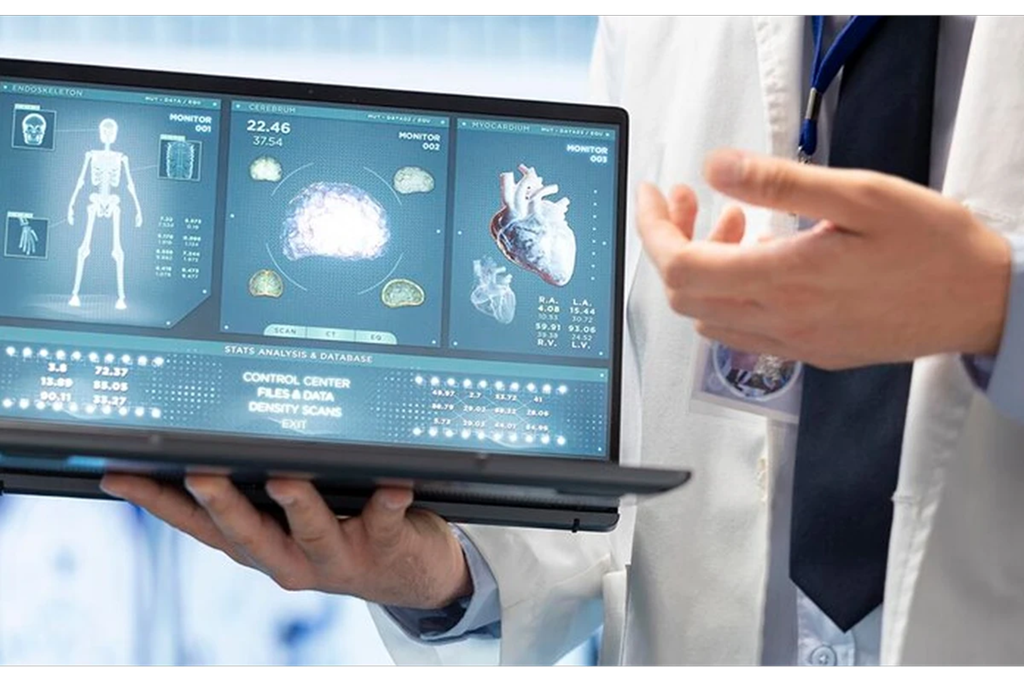
If AI is the engine, data is the fuel driving modern healthcare. From EHRs and genomic data to wearables and patient feedback, success now depends on strong healthcare tech skills in data analytics. With the healthcare data analytics market growing at over 21% CAGR, professionals who can transform raw data into actionable insights are in high demand to enhance care quality and efficiency.
Real-World Applications & Use Cases
Data analytics allows healthcare organizations to shift from a reactive to a proactive model of care, anticipating health issues before they become critical.
- Predictive Analytics: By analyzing patient data, providers can identify individuals at high risk for chronic diseases like diabetes or heart failure. This enables early intervention and preventive care, improving long-term patient outcomes.
- Improving Clinical Outcomes: Analytics can be used to evaluate the effectiveness of different treatments across patient populations, helping to refine clinical pathways, improve medication safety, and reduce hospital-acquired infections.
- Operational Efficiency: Hospitals use data to optimize staffing levels, manage patient flow, and reduce wait times, leading to both cost savings and a better patient experience.
Who It’s For & Required Skills
- Healthcare Analysts: This is a core competency. Proficiency in tools like Tableau or Power BI for data visualization, along with SQL for database querying, is essential.
- Hospital Administrators: Need data literacy to make informed strategic decisions about resource allocation, service line development, and value-based care initiatives.
- Nurses & Clinicians: A foundational understanding of data helps in evaluating patient trends at the bedside, contributing to quality improvement projects, and understanding evidence-based practice.
3. Telehealth and Remote Patient Monitoring (RPM) Expertise
Why It Matters
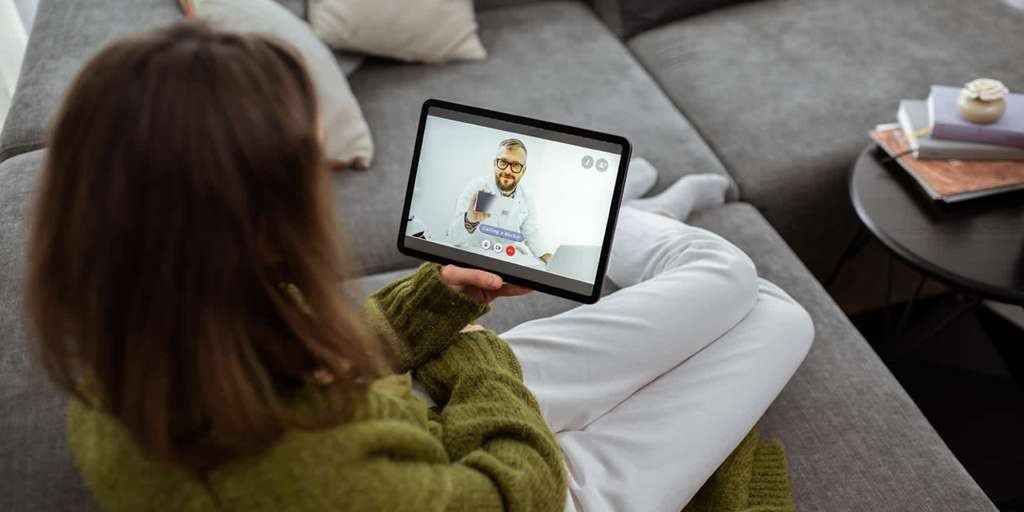
Telehealth has evolved beyond basic video consultations into a powerful digital ecosystem for continuous, data-driven care. It enhances access for rural and home-bound patients while improving chronic disease management. According to Doximity, most physicians believe telemedicine boosts outcomes. As hybrid care becomes the norm, developing healthcare tech skills in telehealth implementation and management is now essential.
Real-World Applications & Use Cases
The effectiveness of telehealth is well-documented, showing it can provide care that is often comparable to in-person visits, particularly for managing ongoing conditions.
- Chronic Disease Management: A health system successfully used remote monitoring for 348 heart failure patients, tracking vital signs from their homes to prevent hospital readmissions. This approach is a cornerstone of modern chronic care.
- Primary Care in Underserved Areas: A randomized trial in rural India found that telemedicine consultations had a 74% diagnostic concordance with face-to-face care, reaching 95% for hypertension and 93% for diabetes. This demonstrates its reliability in expanding primary care access.
- Integration with AI: Modern telehealth platforms are integrating AI to help triage patients, provide real-time clinical decision support to providers, and personalize patient communication.
Who It’s For & Required Skills
- Nurses & Medical Assistants: Often the first point of contact, they need skills in triaging patients remotely, educating them on using RPM devices, and monitoring incoming data.
- IT & Project Managers: Responsible for implementing telehealth platforms, ensuring they integrate with EHRs, and navigating the complex regulatory landscape.
- Freelance Consultants: Can specialize in helping smaller practices adopt telehealth, from choosing a vendor to developing workflows. A credential like the Certified Telehealth Professional (CTP) can add significant value.
4. Wearable and Internet of Medical Things (IoMT) Integration
Why It Matters
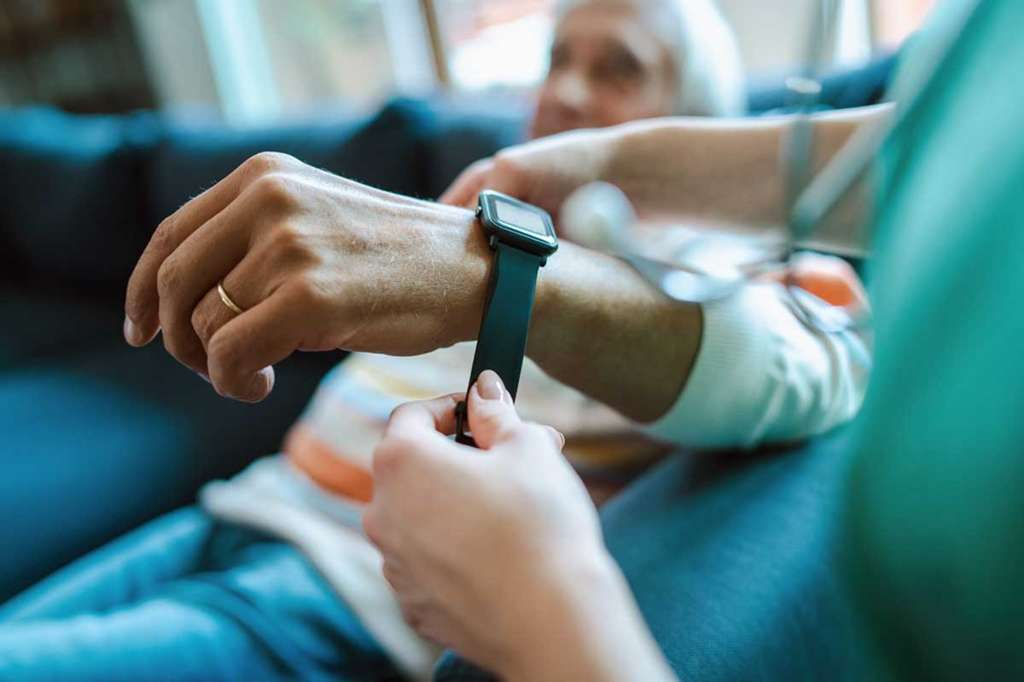
The Internet of Medical Things (IoMT) connects devices, sensors, and wearables to create a continuous flow of real-world health data. By 2025, over 800 million wearables will be in use, evolving from fitness trackers to clinical-grade diagnostic tools. Integrating this data into healthcare systems is one of the most valuable healthcare tech skills, bridging the gap between episodic care and continuous patient monitoring.
Real-World Applications & Use Cases
IoMT is enabling a more personalized and proactive approach to health, particularly for patients with chronic conditions who require constant monitoring.
- Cardiology: Wearables like smartwatches have proven effective for monitoring hypertension, detecting arrhythmias like atrial fibrillation, and supporting cardiac rehabilitation programs from home. This allows for early detection of potentially life-threatening events.
- Diabetes Management: Continuous glucose monitors (CGMs) transmit real-time blood sugar levels to a patient’s smartphone and their provider, enabling precise insulin dosing and lifestyle adjustments.
- Neurology: Advanced sensors can detect subtle electrical disturbances in the brain to help manage conditions like Parkinson’s Disease, providing data that informs therapy adjustments. This is a significant leap in managing neurological disorders.
Who It’s For & Required Skills
- Biomedical Engineers & Technicians: Develop, test, and maintain IoMT devices, ensuring their accuracy and reliability.
- IT Professionals: Must manage the massive influx of data from these devices, ensure its secure transmission, and integrate it seamlessly into the EHR.
- Clinicians: Need to learn how to interpret wearable data, distinguish clinically significant signals from noise, and use the information to guide patient care without being overwhelmed. Challenges in data interpretation and user engagement remain key hurdles.
5. Advanced Cybersecurity Knowledge
Why It Matters
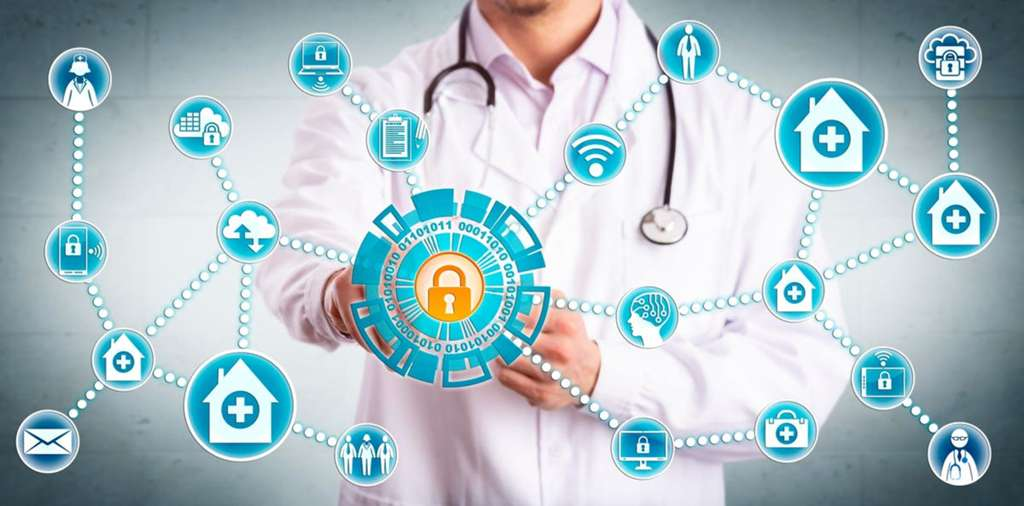
As healthcare becomes more connected, it also becomes more vulnerable. The healthcare sector is a prime target for cyberattacks due to the high value of patient data. The devastating 2024 Change Healthcare cyberattack, which crippled systems across the U.S., was a stark reminder of this reality. With the proliferation of telehealth, IoMT, and AI, the attack surface is expanding exponentially. A deep understanding of cybersecurity is no longer just an IT issue; it’s a patient safety and organizational survival issue.
As healthcare grows more connected, its cybersecurity risks multiply. Patient data has become a prime target for hackers, as seen in the 2024 Change Healthcare cyberattack that disrupted systems nationwide. With the rise of AI, telehealth, and IoMT, a strong grasp of cybersecurity has become one of the most critical healthcare tech skills—essential not just for IT teams but for protecting patient safety and organizational trust.
Real-World Applications & Use Cases
Cybersecurity in healthcare is about building a resilient ecosystem that can withstand and recover from attacks while protecting sensitive patient information.
- Threat Intelligence: Proactively monitoring for threats using AI-powered tools to detect sophisticated phishing and social engineering attacks before they cause a breach. Google Cloud reports that AI is enhancing the speed and effectiveness of hackers, requiring an equally advanced defense.
- Secure Device Management: With over 70% of medical devices expected to be digitally connected by 2026, securing everything from infusion pumps to MRI machines is critical to prevent them from becoming entry points for attackers.
- Compliance and Resilience: Moving beyond simple HIPAA compliance to build a strategic cybersecurity posture. According to KPMG, 70% of healthcare organizations now involve cybersecurity leaders in the earliest stages of technology investment decisions.
Who It’s For & Required Skills
- Cybersecurity Professionals: Demand far outstrips supply, with a global talent gap of nearly 4.8 million. Skills in cloud security, threat intelligence, and risk management are in high demand.
- All Healthcare Employees: Need foundational training to recognize phishing attempts and follow security protocols, as human error is often the weakest link.
- C-Suite & Administrators: Must view cybersecurity as a strategic business imperative, not just a technical cost center, and foster a culture of security throughout the organization.
Market Spotlight: The Rise of Wearable Healthcare Devices
The rapid rise of wearable technology highlights the shift toward continuous, patient-centered care. Driven by consumer demand for health insights and clinicians’ need for real-world data, this market is expanding fast. From 2025 to 2030, wearable healthcare devices are projected to grow at a 10.9% CAGR—underscoring why mastering healthcare tech skills in data integration and analysis is becoming essential.
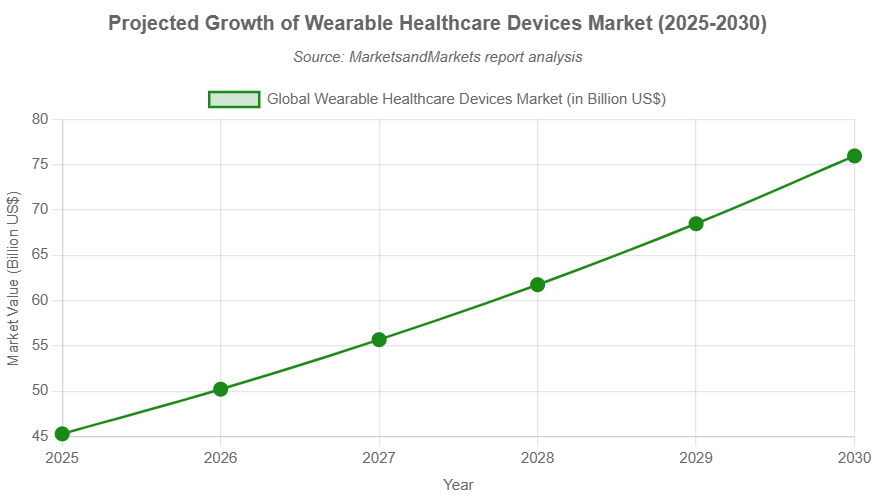
This trend, based on analysis from a MarketsandMarkets report, signifies a massive opportunity for professionals skilled in integrating and interpreting data from these devices.
Balancing Innovation with Reality: Pros and Cons
While embracing new healthcare tech skills is essential, it’s important to approach this transformation with a balanced perspective. The benefits are immense, but the challenges are real and require careful navigation.
- Pros:
- Improved Patient Outcomes: More accurate diagnoses, personalized treatments, and proactive care lead to better health.
- Increased Efficiency: Automation of administrative tasks frees up clinicians to focus on patients, reducing burnout.
- Expanded Access to Care: Telehealth and RPM bridge geographical barriers, bringing care to underserved populations.
- Career Advancement: Professionals with in-demand tech skills are more valuable and have greater opportunities for growth.
- Improved Patient Outcomes: More accurate diagnoses, personalized treatments, and proactive care lead to better health.
- Cons:
- High Implementation Costs: Adopting new technologies requires significant upfront investment in software, hardware, and training.
- Data Privacy and Security Risks: Every new connected device or platform is a potential vulnerability that must be secured.
- Regulatory and Reimbursement Hurdles: The legal and financial frameworks for new technologies like telehealth often lag behind the innovation itself, creating uncertainty for providers.
- Risk of Digital Divide: Not all patients have equal access to or facility with technology, which could exacerbate health disparities if not addressed.
- High Implementation Costs: Adopting new technologies requires significant upfront investment in software, hardware, and training.
Frequently Asked Questions (FAQs)
Will AI replace healthcare jobs?
AI isn’t replacing healthcare jobs—it’s transforming them. Acting as an intelligent assistant, AI automates repetitive, data-heavy tasks, allowing professionals to focus on decision-making, empathy, and patient care. According to Alteryx, 87% of data analysts now feel more strategically valuable thanks to AI automation. The future belongs to professionals who combine human insight with strong healthcare tech skills for effective human-AI collaboration.
I’m a clinician with limited tech background. Where do I start?
The key is a commitment to lifelong learning. Start small. Seek out continuing education courses offered by your organization or professional associations. Platforms like Coursera and edX offer specialized courses such as “AI in Healthcare” from top universities. Many employers also subsidize certifications. A 2023 LinkedIn report noted that professionals with certifications receive 40% more job offers, proving that even incremental learning is highly valued.
What is the biggest barrier to adopting these new technologies?
While cost is a factor, many experts point to a combination of regulatory uncertainty, data integration challenges, and cultural resistance. For telehealth, unclear reimbursement policies can deter adoption. For IoMT and AI, challenges include a lack of data standardization, device accuracy, and concerns about data privacy. Overcoming these barriers requires a coordinated effort from policymakers, technology vendors, and healthcare organizations.
Conclusion: Building Your Future-Proof Career
The digital transformation of healthcare isn’t coming—it’s already here. The five pillars of modern medicine—AI and Machine Learning, Data Analytics, Telehealth, IoMT, and Cybersecurity—form the foundation of tomorrow’s healthcare landscape.
For professionals, success means embracing lifelong learning. For students, it’s mastering both clinical and digital fluency. For organizations, it’s fostering innovation while managing risk.
By strengthening your healthcare tech skills today, you’re not just preparing for the future—you’re shaping it, driving a smarter, safer, and more equitable healthcare system for all.
What skill are you focusing on in 2025? Share your thoughts and strategies in the comments below!